
The Art of Vertical Green Design
How the world turned gray walls into living art — and how GreenCheck continues the story.
For centuries, architects and artists have tried to bring nature back into urban life. From the Hanging Gardens of Babylon to the modern glass towers of Singapore, the dream of greener cities has always accompanied human imagination.
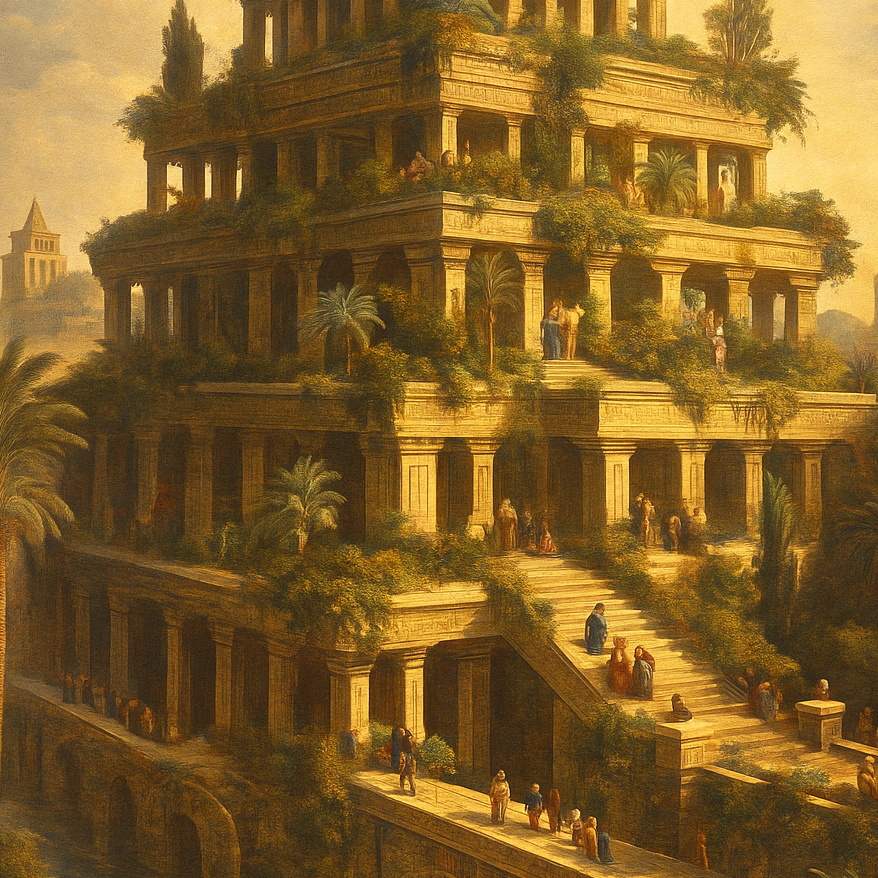
Yet only in recent decades has this dream become reality through vertical greenery — living walls that breathe, grow, and redefine the relationship between architecture and the environment.
The modern era of green façades began in the late 20th century when pioneers like Patrick Blanc introduced the idea of “living architecture” — turning walls into self-sustaining ecosystems. What started as an artistic experiment soon evolved into a global movement uniting architects, engineers, and ecologists.
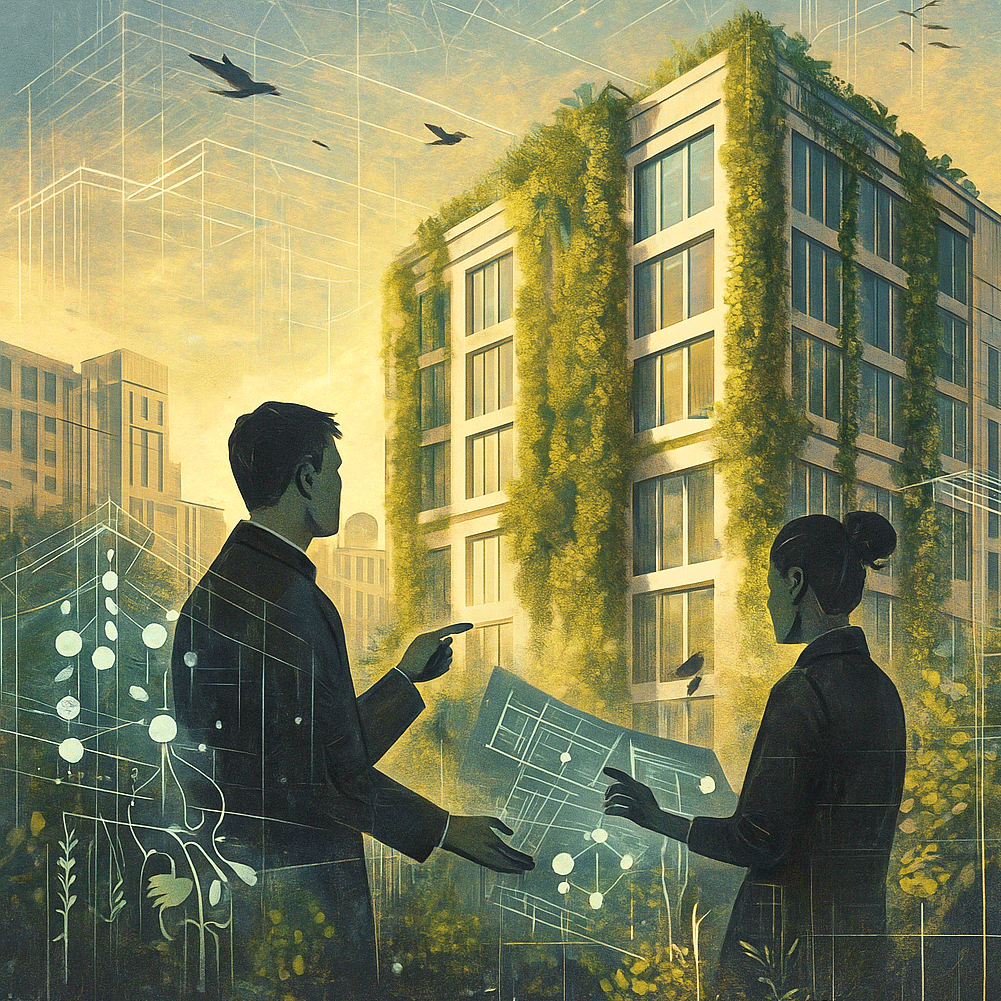
Cities like Paris, London, and Tokyo quickly embraced the idea — not only for beauty but for its environmental and climatic impact: cleaner air, reduced urban heat, and improved energy efficiency. Buildings were no longer lifeless structures; they became living organisms that breathe, absorb carbon dioxide, and restore biodiversity to the heart of cities.
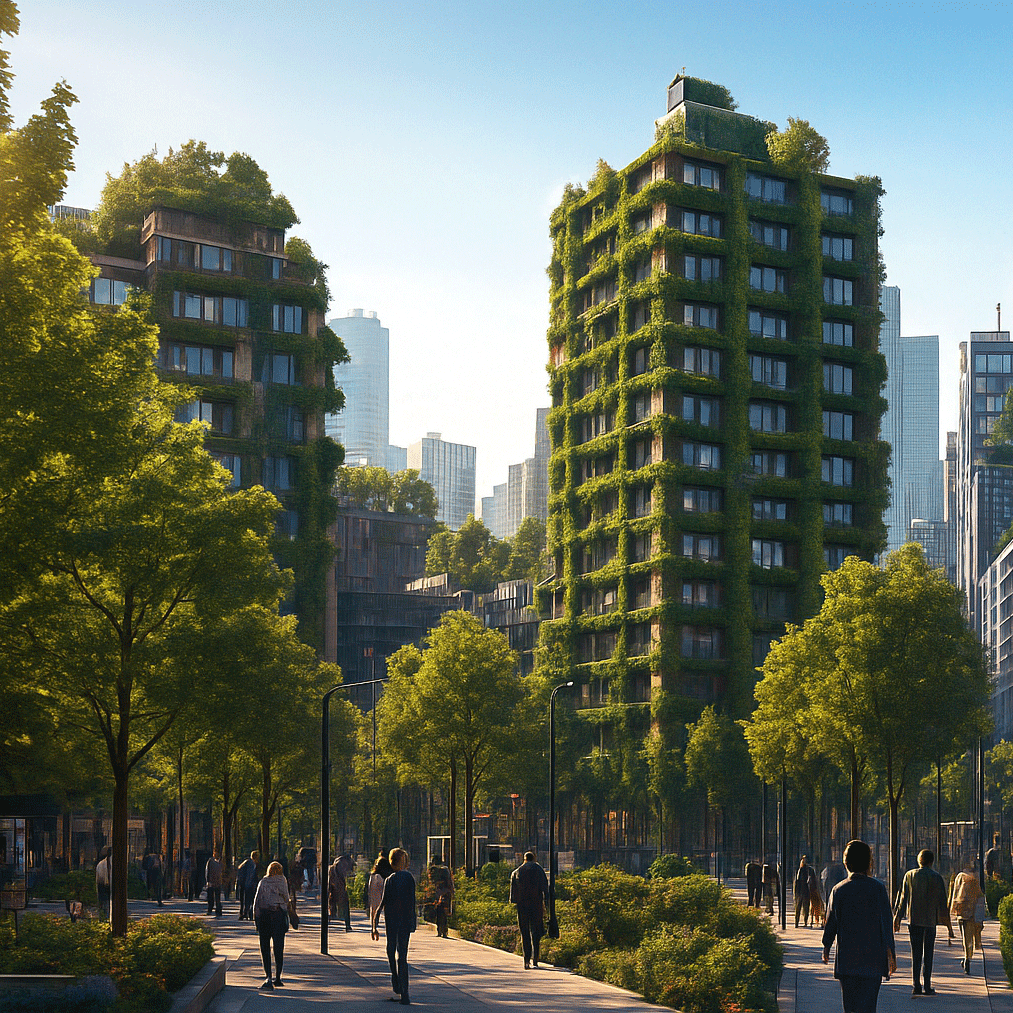
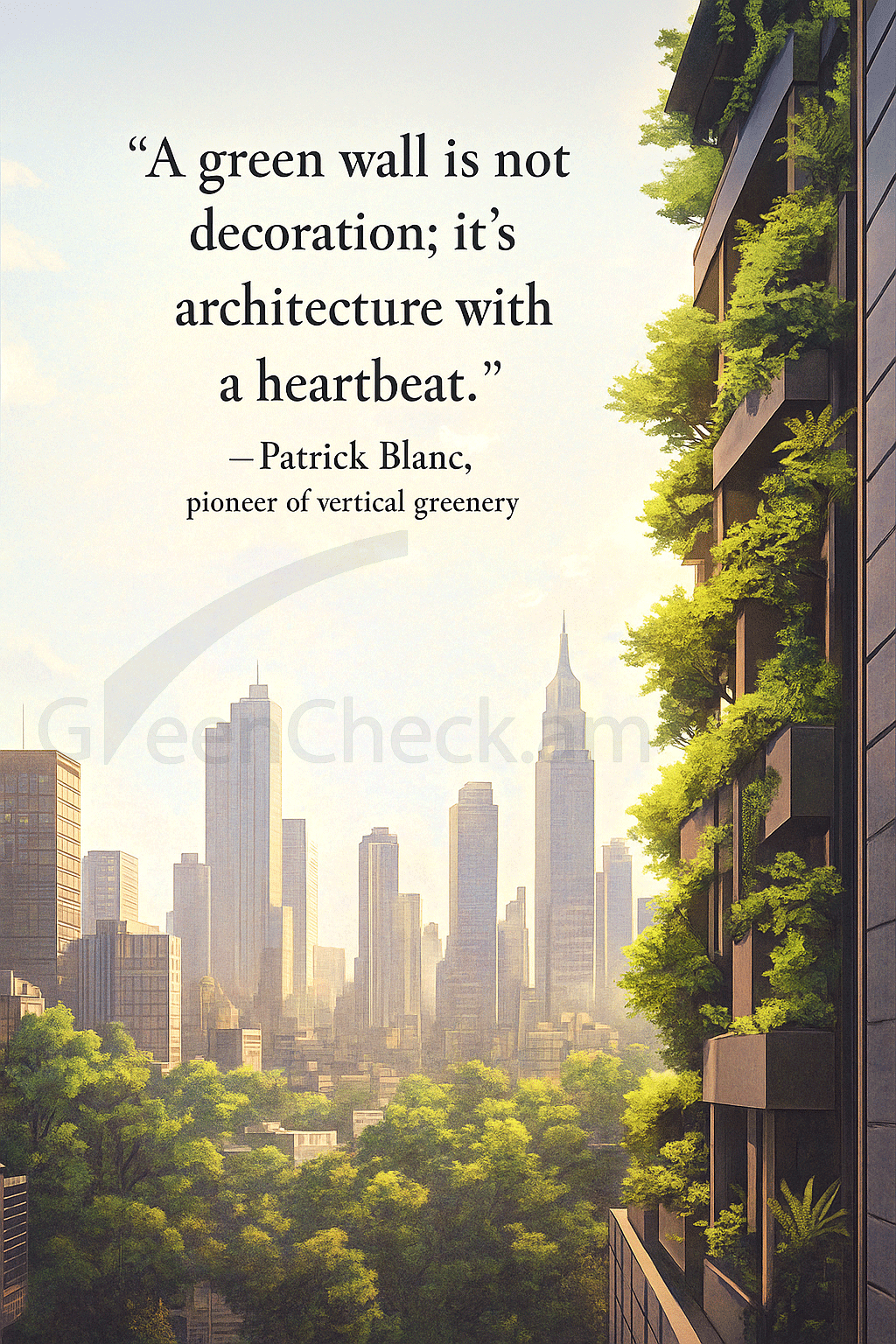
“A green wall is not decoration; it’s architecture with a heartbeat.”
In recent years, this movement has inspired a new generation of architects to view the city not as a structure, but as an ecosystem. GreenCheck proudly stands among those who continue this vision — combining engineering knowledge, creative design, and modular systems to turn green concepts into living realities.
With more than two decades of experience in sustainable architecture, GreenCheck designs modular green roofs and living walls that are simple to install, easy to maintain, and adaptable to any space. Each project becomes a dialogue between technology and nature — between engineering precision and organic growth.
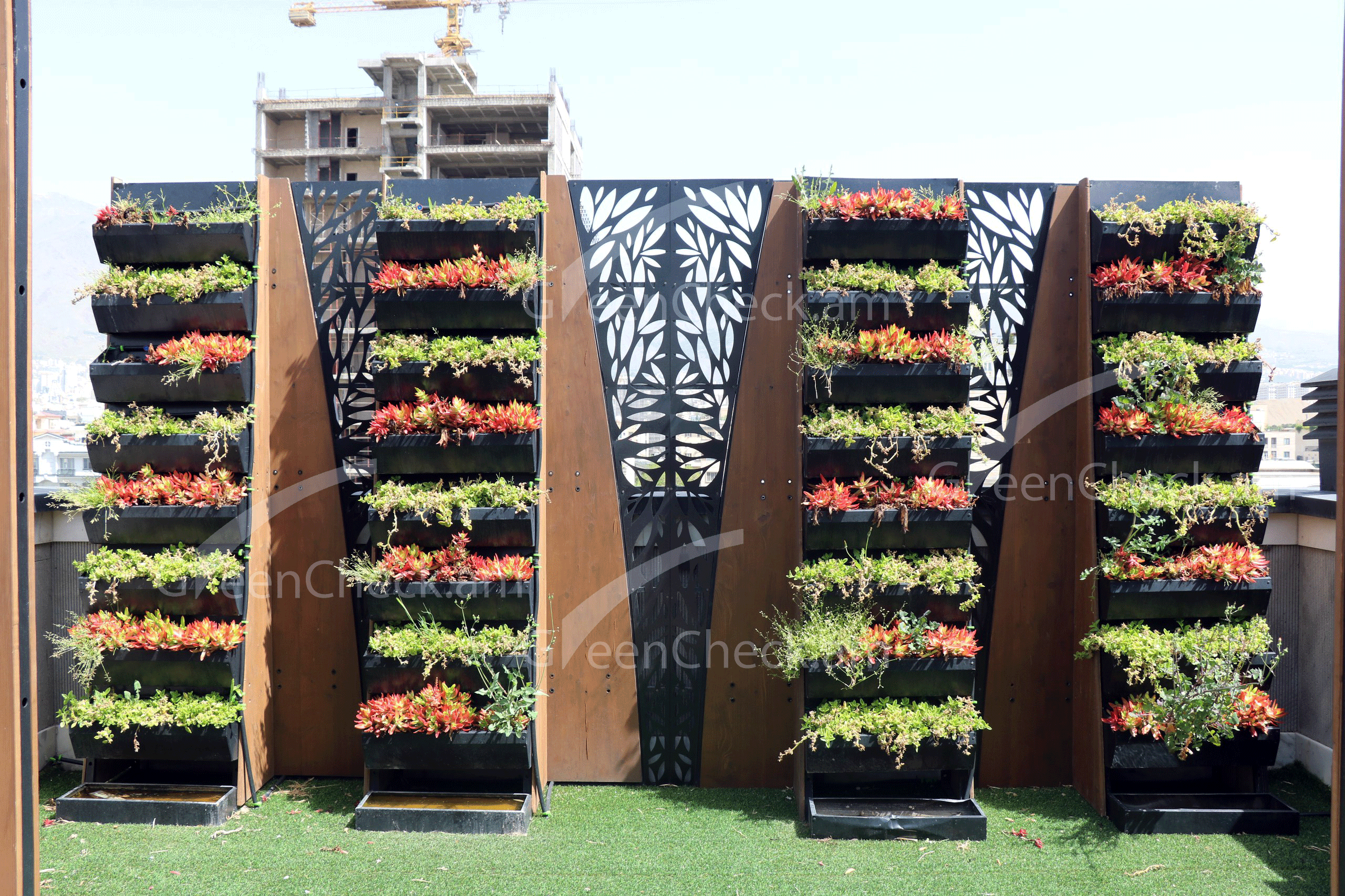
From green rooftops in Tehran to living façades in Yerevan, our mission remains the same: transforming unused gray spaces into vibrant, human-centered environments — spaces that allow the city to breathe again.
Vertical greenery is more than a design trend — it’s a mindset, a lifestyle, and a promise for the future. At GreenCheck, we’re not following the trend; we’re shaping it — one wall, one roof, one city at a time.